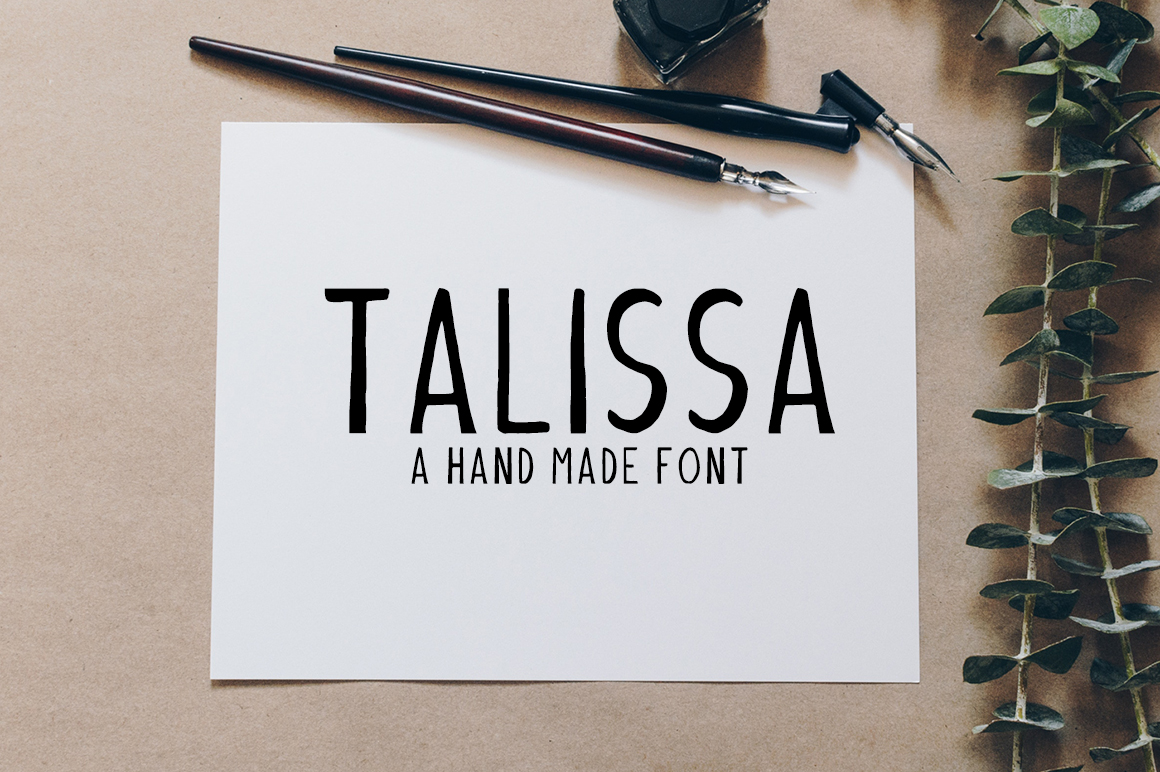
Talissa: The Handmade Sans Serif Font for Branding
It was a Tuesday afternoon, and I was staring at a stack of plain white boxes that were supposed to hold our new line of artisanal soaps. The product inside was beautiful—hand-poured, scented with real lavender, and wrapped in recycled paper. But the label? It felt flat. I had been using a standard, system-default sans serif font for months because it was "safe." It was legible, sure, but it lacked soul. It didn’t tell the story of the hours spent mixing ingredients or the care put into every batch. My brand felt generic, indistinguishable from the mass-produced options sitting on the shelf next to mine.
I needed a change. I wanted something that felt human, approachable, and polished without being stiff. That is when I discovered Talissa. Described as a handmade and timeless font, Talissa is a great sans serif typeface that adds a uniquely handmade look to designs. As a creative consultant who has helped dozens of small businesses refine their visual identity, I know that the right typography can bridge the gap between a hobbyist vibe and a professional brand. Talissa promised to be both classy and modern, and after testing it across various materials, I can confirm it delivers exactly that balance.
Why Texture Matters in Digital and Print Design
In the world of modern typography, we often chase perfection. We want crisp lines and geometric precision. But for small business owners, especially those in the handmade, boutique, or lifestyle sectors, perfection can sometimes feel cold. Customers connect with authenticity. They want to feel the human touch behind the product. This is where a premium font like Talissa shines. It retains the clean readability of a sans serif font but introduces subtle irregularities and organic shapes that mimic the warmth of hand-lettering.
When I applied Talissa to my soap labels, the difference was immediate. The letters didn’t just sit on the paper; they seemed to belong there. The font’s personality is relaxed yet confident. It doesn’t shout for attention, but it invites the eye to linger. For a brand identity, this is crucial. You want your customers to trust you, and trust is often built through consistent, thoughtful design choices. Using a creative font that feels bespoke signals that you care about the details, from the ingredient list to the thank-you card tucked inside the package.
Practical Applications for Small Business Owners
One of the biggest challenges for entrepreneurs is maintaining consistency across different platforms. You have your physical packaging, your website banners, your social media graphics, and your printed flyers. If each of these uses a different style, your brand looks fragmented. Talissa serves as a versatile anchor for your brand identity. Here is how it performs in real-world scenarios:
- Packaging Design: For product labels, readability is key. Talissa works beautifully for product names and short descriptions. Its open forms ensure that even at smaller sizes, such as on a candle jar or a skincare bottle, the text remains clear. It avoids the clutter that some decorative script fonts can create, making it ideal for regulatory information that still needs to look stylish.
- Social Media Graphics: In the fast-scrolling environment of Instagram or Pinterest, your visuals need to stop the thumb. Talissa is excellent for overlay text on photos. Whether you are announcing a sale, sharing a behind-the-scenes moment, or posting a quote, the font adds a layer of sophistication. It pairs well with high-quality photography, enhancing the image rather than competing with it.
- Logo Design: While not every business needs a wordmark logo, Talissa is strong enough to stand alone. Its unique character makes it memorable. If you are a coach, a consultant, or a boutique owner, a logo built with Talissa communicates professionalism with a personal touch. It suggests that you are established but still accessible.
- Printed Materials: From business cards to thank-you notes, the tactile experience of print matters. Talissa prints cleanly, retaining its handmade charm without looking messy. It elevates simple stationery into a branded experience that customers appreciate.
Pairing Talissa for Visual Harmony
A common mistake in editorial design and web design is using too many conflicting typefaces. Since Talissa has such a distinct personality, it benefits from supportive partners. It is primarily a display font meant for headlines, titles, and short bursts of text. For longer bodies of text, such as blog posts or detailed product descriptions, you should pair it with a neutral, highly readable font.
I recommend pairing Talissa with a clean, geometric sans serif font for a modern, minimalist look. This combination keeps the design fresh and easy to navigate. Alternatively, if you want to lean into the romantic or vintage aspect of your brand, try pairing it with a delicate serif font. The contrast between the sturdy, handmade feel of Talissa and the elegant strokes of a serif creates a dynamic visual hierarchy. Avoid pairing it with another handwritten font or a complex script font, as this can create visual noise and reduce readability. The goal is balance, not competition.
Technical Considerations for Commercial Use
Before integrating any new typeface into your business assets, it is essential to check the technical specifications. When you download Talissa from Script Amp, ensure you review the included file formats. Most professional commercial fonts come in OTF or TTF formats, which are compatible with major design software and word processors. Check for multilingual support if you plan to expand your market internationally, as this ensures your brand remains consistent across different regions.
Also, pay attention to the licensing. As a business owner, you need a commercial license to use the font on products you sell, such as printed merchandise, digital downloads, or client work. Using a font without the proper license can lead to legal issues down the road. Talissa is designed for these exact purposes, offering the flexibility needed for diverse design assets. Look for features like alternates or ligatures, which can add extra flair to your logos or special headings, giving you more creative control over your final output.
Ultimately, typography is more than just choosing letters; it is about conveying emotion and building trust. Talissa offers a rare combination of clarity and character. It allows small business owners to present a polished, professional image while retaining the authentic, handmade feel that customers crave. Whether you are refreshing your café menu, updating your online shop banner, or designing a new line of packaging, this typeface provides the perfect foundation for a memorable brand presence.